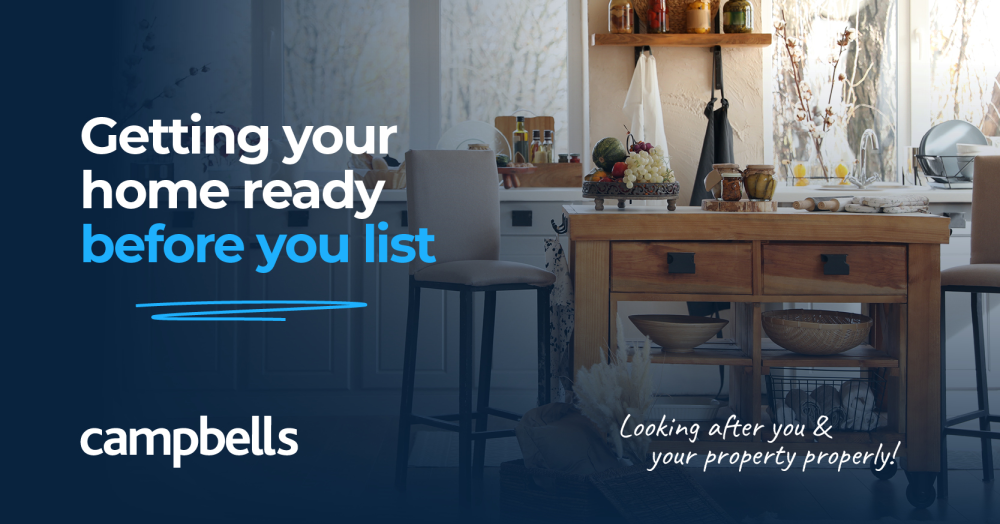
Getting your home ready before you list: a simple checklist
You do not need your home to be market-ready before booking a valuation, that conversation is exactly the right place to ask what would help. But if you like to feel prepared, here is a simple, honest checklist worth working through in the weeks before you actually list.
Start with a proper declutter
Go room by room rather than trying to do it all at once. Kitchen worktops, bathroom shelves and wardrobes tend to accumulate the most without anyone really noticing over the years. A tidy, uncluttered home simply photographs and feels better, and it lets buyers picture their own belongings in the space rather than yours.
Deal with the small jobs
A dripping tap, a sticking door, chipped paintwork: none of these are serious, but they are the kind of thing buyers notice and quietly read as a sign of how well the rest of the property has been looked after. Tackling them now, while there is no pressure, is far easier than doing it in a rush once viewings are already booked in.
Think about kerb appeal
First impressions form before anyone steps inside, whether that is arriving for a viewing or simply looking at the photographs online. A tidy garden, a clean front door, fresh paint if it is looking tired, and bins kept out of sight all make a genuine difference to how a property feels the moment someone sees it.
Gather your paperwork early
Your Energy Performance Certificate, any warranties for recent work such as a new boiler or roof, and details of fixtures and fittings are all worth locating now, rather than searching for them later under time pressure once a buyer is found and everyone wants to move quickly.
Think about access for viewings
If parking is limited, or a pet needs somewhere to go during viewings, it is worth thinking this through in advance rather than working it out on the day. Small logistics like these can otherwise become a genuine source of stress once viewings actually start, particularly if several are booked close together.
Consider what a buyer will open
Buyers open cupboards, wardrobes and under-stair storage, since storage is one of the things people care about most when viewing a home. A wardrobe that looks like it might burst open sends a subtle message about whether the property has enough room for daily life, even if the real issue is simply years of accumulated belongings rather than a genuine lack of space.
Do a walk-through as if you were a buyer
Once the obvious jobs are done, it is worth walking through your own home as though seeing it for the first time. Stand in the doorway of each room and ask honestly what a stranger would notice first. This is often the easiest way to spot the small things that are easy to miss when you see them every day.
Do not feel you need to do everything at once
Little and often, tackling one room every couple of weeks, tends to produce a better result than a frantic push right before you list, and it is far less overwhelming to live through. There is no deadline here, this is simply useful groundwork for whenever you are ready.
When you do book a valuation, your local associate can walk round with you and point out the one or two things most worth doing for your specific home, honestly, rather than a long list of jobs you do not actually need.