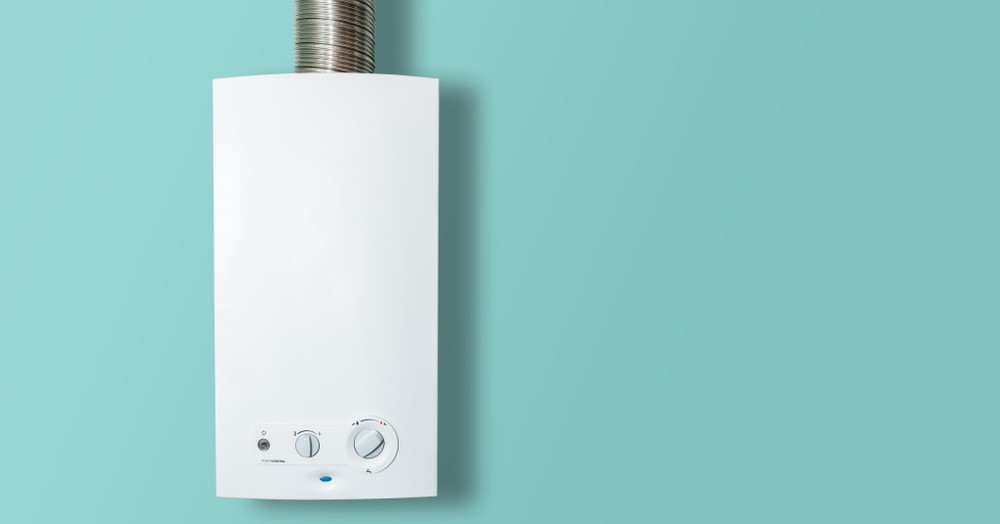
Why gas safety should be on your new home checklist
We all know moving house can be stressful with lots to consider, but the excitement of getting in and dreaming about your interior decorating plans can mean that less exciting aspects of a move, like health, wellbeing and safety, take a backseat.
According to the latest inspection figures from the Gas Safe Register, 1 in 5 homes in the UK have unsafe gas appliances, which can cause carbon monoxide poisoning, gas leaks, fires and explosions. It’s impossible to know if your new home’s gas work is safe and legal without doing a bit of homework.
Before you move in…
• Ask the current owners for the property’s gas safety record – sometimes known as a gas safety certificate – to find out the history of all the gas appliances. They should have a health check from a registered gas engineer every year.
• If they can’t provide a record, or it’s been more than 12 months since the last check, get in touch with a local Gas Safe registered engineer who can carry out a safety check for you when you move in. To find your local Gas Safe registered engineer visit www.gassaferegister.co.uk.
• Only Gas Safe registered engineers can legally undertake gas work at a property, whether it’s on appliances, flues or pipework. This means your homebuyer or structural surveys might not confirm if the gas appliances in your new property are working as they should be by default and you’ll need to check.
Starting to settle in…
Almost every move requires a bit of DIY, however, doing work with a gas appliance can lead to gas leaks, fires, explosions, or exposure to carbon monoxide.
A recent survey by the Gas Safe Register revealed 15 per cent of those embarking on renovations plan to DIY on jobs that could have an impact on gas safety. There are also other projects that can indirectly put you at risk. For instance, building a conservatory or extension on a site that blocks or covers your flue is a common issue.
To avoid any DIY disasters...
• Don’t try to fit, fix or move gas appliances such as a boiler, oven or cooker yourself – it’s best to use a Gas Safe registered engineer who has the right skills. Visit https://www.gassaferegister.co.uk/help-and-advice for more information.
• Before drilling, hammering or putting screws into a wall or floor, check what’s behind it with a pipe, cable and stud detector.
• Never block or cover air vents and flues. If your flue becomes blocked, these gases will leak back into your home, leaving you exposed to carbon monoxide.
• Know the six main symptoms of carbon monoxide (CO) poisoning – headaches, nausea, dizziness, breathlessness, collapse and loss of consciousness.
• Recognise the signs of an unsafe gas appliance, which include a lazy yellow flame, black marks or stains, increased condensation and an intermittent pilot light.
• In general, if you suspect unsafe gas it’s vital to get expert help. Contact the National Gas Emergency Helpline on 0800 111 999.
Safety should always be the top priority of a home mover, and by completing just a few checks, you can ensure you, your family, and your neighbours are protected.